 MediaRar
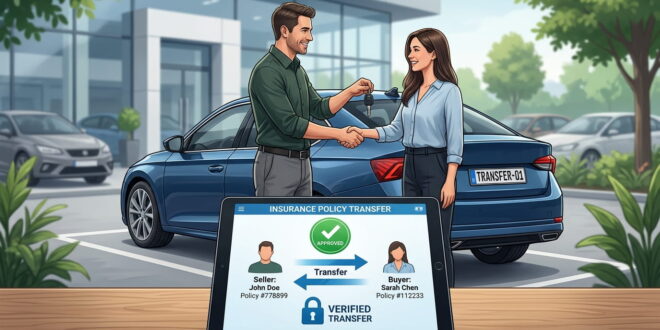
Most people don’t realize that when they sell a car, there is a lot of paperwork involved. One of the most important, yet overlooked, aspects of the transaction is selling the insurance policy. When a buyer buys a car, the buyer car and the seller’s car insurance policy do not get fully transferred until the seller takes the proper steps. If not, both the seller and buyer are exposed to legal and financial risks until the seller completes the policy transfer.
In many countries, the car insurance policy is tied to both the buyer and the seller. The buyer’s new car and seller’s old car insurance status is unresolved until the seller completes the steps of the policy transfer. If you are buyer or seller, this guide will be some of the steps of the policy transfer, some of the policy information you will need, and some things to watch out for.
Are you looking to sell or buy and are wondering if the insurance is a risk when selling or buying?
It is important to know that in many markets, traditional car insurance is not directly transferable between a buyer and a seller as, for instance, a buyer or seller would transfer a car title. Insurance is a contract between the buyer and the seller. The seller has to pay for the insurance policy. The buyer cannot. Otherwise, the policy is not valid.
Upon the sale of a vehicle, the insurance policy of the seller is not automatically transferred to the new owner. If the seller cancels their policy, the buyer must seek insurance coverage prior to operating the vehicle. The seller must also inform the seller’s insurance company of the sale, so the policy can be terminated or changed to a new vehicle. When it comes to private passenger vehicles, the idea of policy auto-assignment is the exception rather than the rule, whereas companies especially for auto fleets, may provide auto-assignment for policies. When this is understood, both the seller and the buyer can avoid the costly mistake of assuming policies are auto-assigned with their vehicle.
Obligations of the Seller before the Sale
As the seller of the vehicle, the first step you must complete prior to almost any step of the sale, is to inform your insurance company of the sale. This is done at the sale not your policies insurance company. You must fully inform your company of the sale date and the buyer. After informing your company of the sale, you are left with policy choices, the first of which is, to what extent are you required to inform your insurance company of the sale.
If you are buying another vehicle, first check with your insurer if you can transfer your existing policy to your new vehicle. A lot of personal auto insurance policies have provisions that allow you to transfer coverage to another vehicle, sometimes with a change to the premium, so that you don’t have a gap in your coverage and you potentially get to keep any no-claims bonus you have. If you are not replacing the vehicle and are selling your vehicle to stop being a vehicle owner, request that the insurer cancels the policy effective on the date of the sale. In a lot of situations, you can expect to get back a portion of the premium you have paid for the period that you are not insured. It is also requested that you get a written copy of the cancellation so that in the event that there are any claims after the sale, you are not held liable.
As A Buyer Make Sure These Things Are In Place Before Driving Off
The simplest rule of thumb for the buyer is to make sure that there is insurance in your name first. An exception is that even if the seller tells you that their insurance is the same on the car, you still need your own insurance. In most markets, you will have no legal cover once you officially own the car.
To the extent possible, arrange your insurance prior to the collection date. Many online insurance portals and insurer apps permit same-day or even same-moment policies. This means you can collect the vehicle in the morning and have a valid certificate of insurance on your mobile device just prior to leaving the seller. In order to arrange the insurance policy, you will need the vehicle’s registration number, the VIN, the make, the model, and the mileage. This information must be correct, and discrepancies will void the policy when discovered. After the insurance policy is arranged, you must download the certificate of insurance, and email and save a copy on your mobile device.
Regarding the treatment of the No Claims Bonus on a Policy Transfer
When you sell a vehicle, you close the insurance policy for that vehicle. The most significant component of that insurance policy for you is the treatment of the No Claims Bonus. This refers to the insured’s premium reduction over the policy term of 60-70% due to an absence of claims, and is the most valuable part of your insurance collection. This must be closely handled when you close the policy.
Your insurance company will provide a “proof of no-claims bonus” if you ask for it during policy cancellation after a vehicle sale. You would provide this letter to a new insurance company to prove your eligibility for a no-claims discount at the new policy’s start. Although up to two years have passed after the letter was issued, a new insurance company would provide you with the discount if you meet the conditions. The “proof of no-claims letter” protects you from making a no-claims bonus in the future due to expenses from a higher premium with the new policy. You should ask your insurance company for a proof of no-claims bonus letter; otherwise, you could lose a greater discount.
Different issues will arise with finance and leases.
All finance and lease agreements for a vehicle will require the buyer/ lessee to obtain full comprehensive insurance on the vehicle. The agreements and which financial insurance company provided funding to purchase the finance or lease for the vehicle must be satisfied before ownership of the vehicle can be legally accomplished.
If you are the seller, you have to resolve or legally capture the finance agreement before the sale is finalized. Reach out to your lender as soon as possible to find out what the settlement costs are and what the next steps are to let the lender free the vehicle from the finance agreement. The settlement letter from the lender stating the vehicle is free and clear from the finance agreement has to be received before the changes to the ownership and the plus changes to the insurance can happen. The buyer has to request documentary proof that the finance has been settled, and he/she should perform a vehicle history check through HPI, Carfax, or the similar service, both of which can verify whether or not the vehicle has liened finance.
Final Thoughts
Insurance transfer can be easy when both parties take the necessary actions before and promptly after the sale. The seller has to let the insurance company know they either need to cancel the policy and redirected, or they need to enforce a temporary hold, and put the requested proof of no-claims for enforcement, and the seller has to pay the finance off. The buyer has to put insurance in place before the vehicle is even driven the distance of a mile.
Handled properly, the process takes no more than a few hours and ensures that both parties walk away from the transaction fully protected and legally covered.
This article is for general informational purposes only. Insurance regulations and transfer procedures vary by country and insurer. Always confirm the specific process with your insurance provider before completing a vehicle sale.